• Artists
  • Videos
  • Listen
  • News
  • Licensing
  • FiXT Academy
  • Shop
  • About
    • Our Story
    • Our Team
    • Follow
    • Contact
    • FAQ

leasia-fixt

Celldweller Reveals New Detroit Studio: Blackstar

September 23, 2026
Artist News
blackstar, Celldweller, Circle of Dust, FreqGen, Scandroid

New Celldweller & Scandroid Albums In Progress

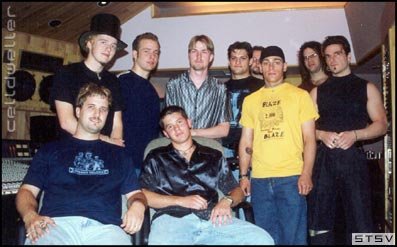
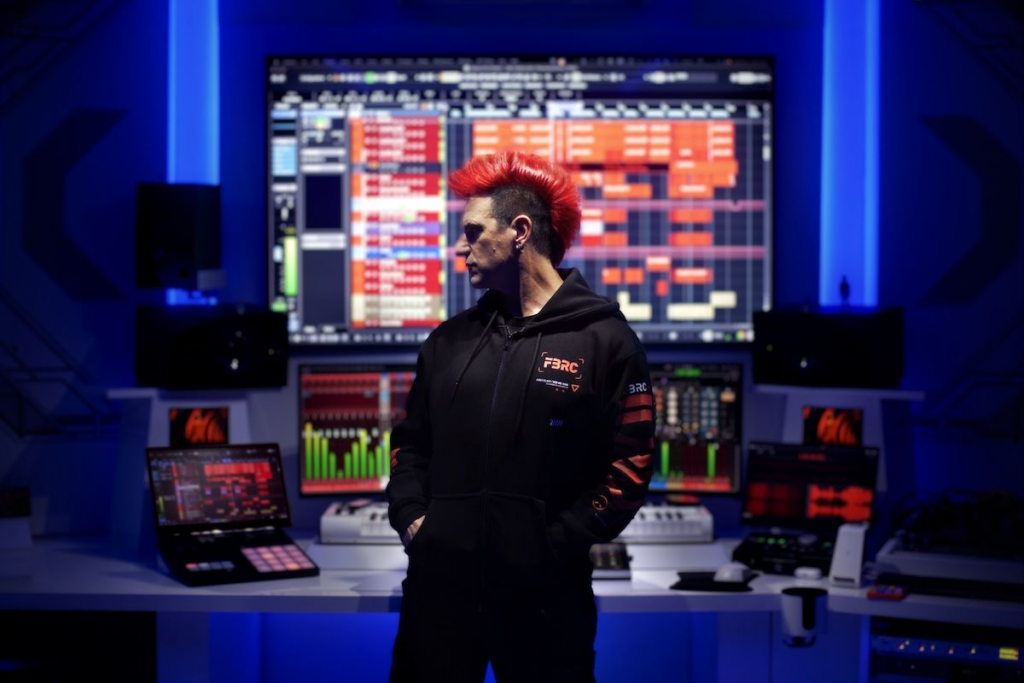
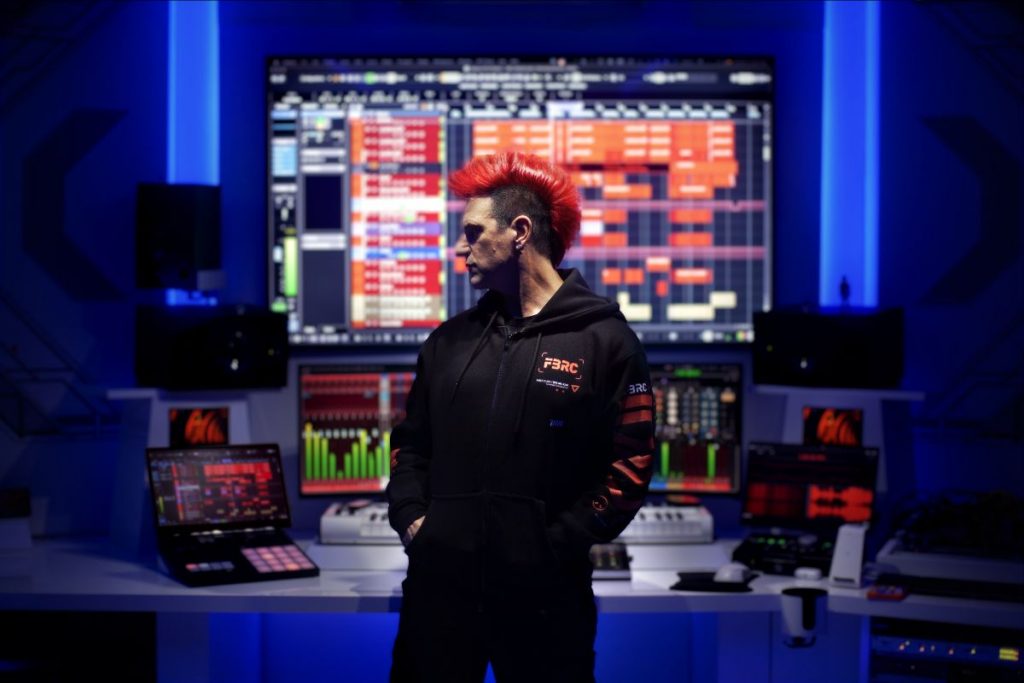
FiXT is proud to announce the unveiling of Blackstar, the new Detroit studio built by Klayton, the producer, songwriter, and multi-instrumentalist behind Celldweller, Scandroid, Circle of Dust, and FreqGen  as well as owner/founder of the independent record label, FiXT. Conceived as the inside of a futuristic spaceship, Blackstar is  Klayton‘s most ambitious creative space to date, and the environment where his next Celldweller and  Scandroid albums are currently taking shape.
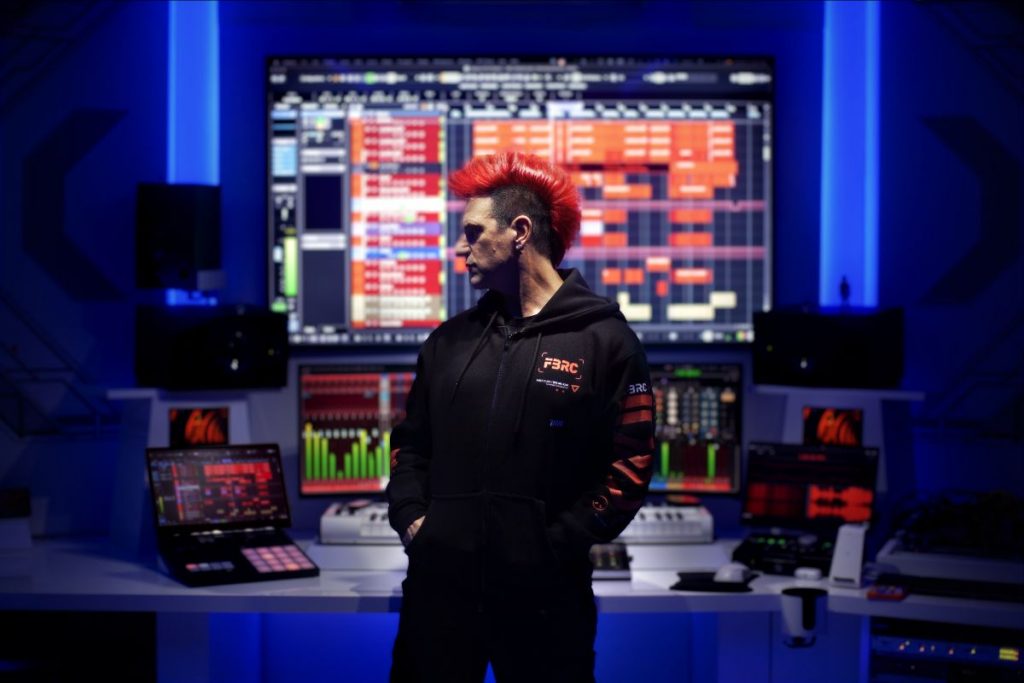
Known throughout the industry for his pioneering sound design and uncompromising production standards, Klayton designed Blackstar as a multi-room facility built for both writing and mixing at the highest level. The studio houses an expansive synth wall, a dedicated eurorack/5U modular wall, a guitar pedal wall, and a full analog station built around the Analogue Solutions Colossus Slim. Alongside this modern arsenal sits a collection of hardware, consisting of gear from Klayton’s early albums, including his original Mac Classic, Ensoniq EPS-16+ sampler, Alesis D4 drum module and E-MU Proteus/1 sound module.   
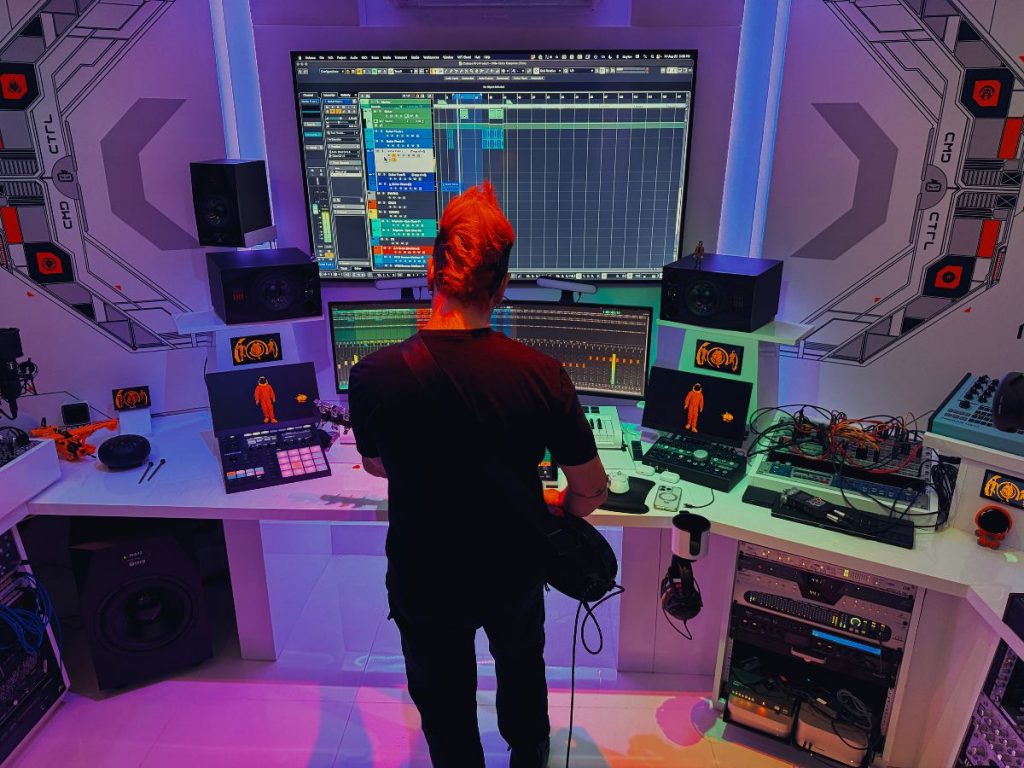
“I spent a long time conceptualizing the ideal space for me to create in. I combined an aesthetic I like with a layout that could house the gear I have been accumulating for over 3 decades, into intentional workstations that each serve a specific function.  I called in the talents of Ken Capton and Solar2, who built my previous studio in 2009. The build took several years and I’m now working full-tilt on the new Celldweller and Scandroid albums.” – Klayton, (Scandroid)

Blackstar is organized across several distinct rooms and creative workstations, each built around a specific function: CMD_CTRL (mix room), SANCTUM (multi-station synth/hardware room), AIR_LOCK (adjoining vocal/iso booth), and SALVAGE_BAY (legacy A/V room) all entirely connected by analog audio patch bays as well as featuring an impressive 24 screen video array controlled by a 100+ point HDMI patch bay. All rooms of the studio are connected by 8 iConnectivity mioXLs for flexible networked MIDI integration.

CMD_CTRL
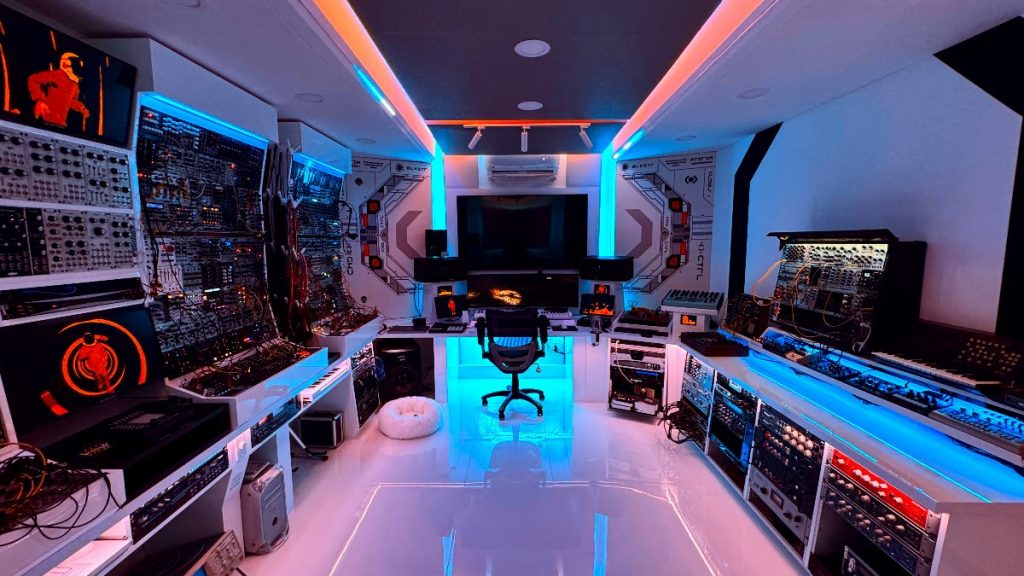
CMD_CTRL — The studio’s main mix room, anchored by Adam Audio monitoring and a massive modular wall with over 4,100 HP between Eurorack (including modules by Synthrotek, Make Noise, Qu-bit, Roland, Erica Synths, Pittsburgh Modular, Industrial Music Electronics, Intellijel, TipTop Audio, XAOC Devices, 4MS, Instruo, Schottkey, Tsyklon Labs, Cwejman, Doepfer, and Ohm Force) as well as 5U/Dotcom (Synthesizers.com and Modcan) systems. CMD_CTRL is built around a Mac Studio with dual Antelope Audio Orion 32+ and a MOTU 16A interface, rounded out with outboard gear including Avalon VT747, SP737 and a pair of U5s, SSL Sigma and XLogic Rack which includes the G Series compressor, Neve 1073s, the Overstayer Modular Channel, a pair of Empirical Labs Distressors, an LA2A, 500 series modules from Pendulum Audio, API, Helios and Moog as well as outboard gear from Lexicon, Electrix, Alesis and more.
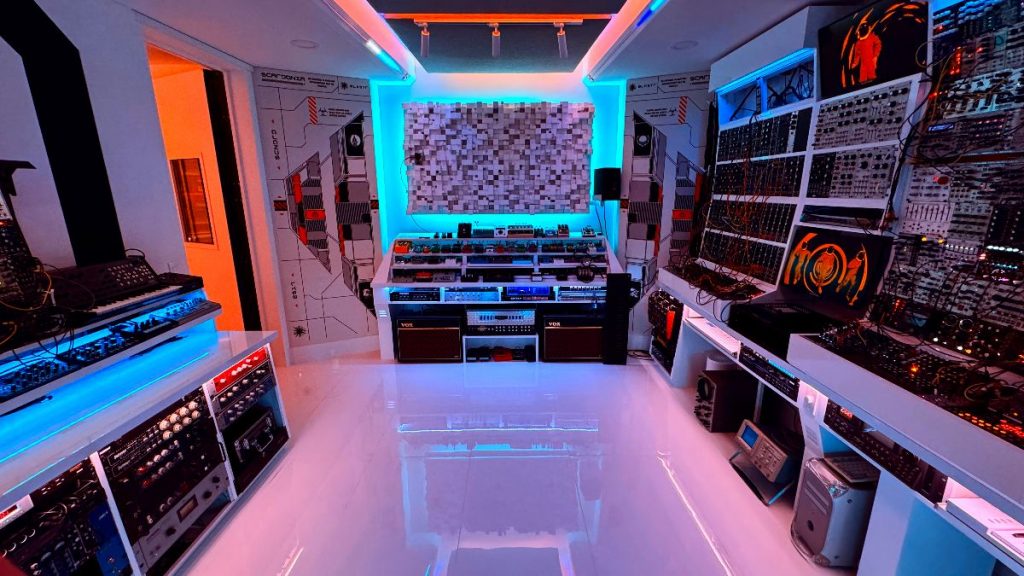
At the heart of ECHO_DISTORTION, the Guitar Pedal wall holds over 60+ pedals from companies including Earthquaker Devices, Roland, Chase Bliss, Electro-Harmonix, Boss, Strymon, Korg, Dwarfcraft Devices, KMA Machines, Eventide, Metasonix, Red Panda, DOD, Frantone, Meris, Source Audio, Rainger, Pure FX, and Gnomeratron, along with dual Vox amps, a Mesa Boogie Dual Rectifier, Soldano SP-77, a Marshall bottom and a Kemper Profiler. To drive all of Klayton’s pedals and amps, Klayton has a Fender VI 6 string bass, Squire Jazzmaster, Ibanez 7 string guitar, Takamine acoustic guitar, an Epiphone, Fender Strat, several Shechter Diamond series, a Line 6 Variax and others. 
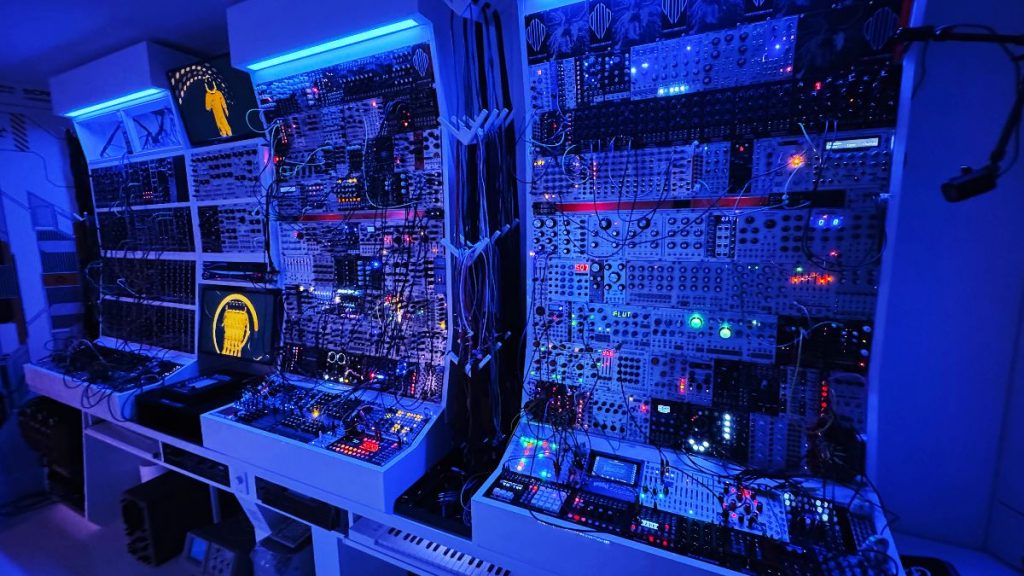
CMD_CTRL also features a select array of drum machines and synthesizers not found in SANCTUM, including Erica Synths Perkons, Syntrx II, Analogue Solutions Vostok 2020, Korg MS-20 mini, Elektron Analogue Heat, Retro Mechanical Labs Distortion Box, an original Roland TB-303 with Devil Fish and Quicksilver mods, an OTO Biscuit, Make Noise 0-Coast and Strega, Roli Seaboard Rise 25 and 49, E-MU E6400 Ultra sampler, Roland SVC-350 Vocoder, an original Moog Vocoder and more guitar pedals.

SANCTUM
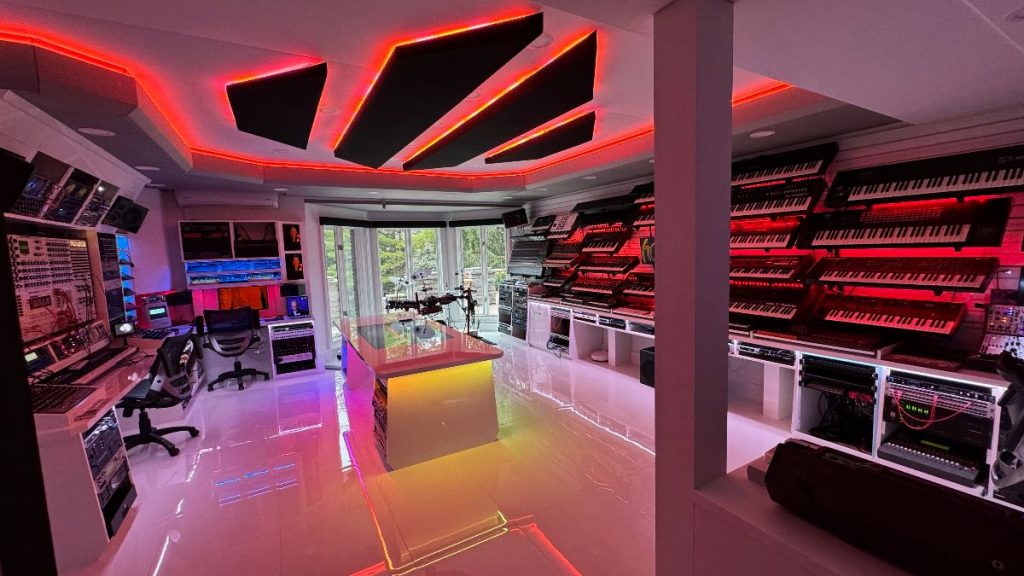
SANCTUM — The studio’s second main room, home to multiple dedicated workstation areas including Colossus, Archive, MXR, Synth Engine, and the Buchla Station with a central island affectionately dubbed the Spacebar. SANCTUM connects directly to AIR_LOCK, the studio’s adjoining vocal/iso booth.

Each area within the room features a unique set of gear for specific workflows as described below.

The Colossus bay is built around the centerpiece of the Analogue Solutions Colossus Slim, surrounded by several Doepfer and TipTop Eurorack cases, Cwejman S1 mkII, Moog Voyager, Nord Rack 2, Access Virus TI, Analogue Solutions Leipzig-S, Roland XV-5080, Ensoniq ESQ-m, Roland D-550, Korg Triton Rack, Casio VZ-10M, several Behringer rack synths & some of Klayton’s favorite rack samplers – a maxed out E-MU E4 Platinum, Akai S5000, Roland S2000 and S760 with SCSI drives, CD-ROMs & SCSI2SD arrays, an Ensoniq ASR-10, and the first sampler he ever owned, the Ensoniq EPS-16+. The Colossus bay also includes a range of Roland Boutique synthesizers, a pair of SSL XLogic Superanalogue Channel units, Avalon VT747sp and the Nektar Impact 88 key controller. Audio from the Colossus bay and the Archive bay are routed to a Mackie Onyx 1620i mixer connected to the main patchbay via its analog outs and to a legacy Trashcan Mac via Firewire for 16 channels of audio into Cubase.
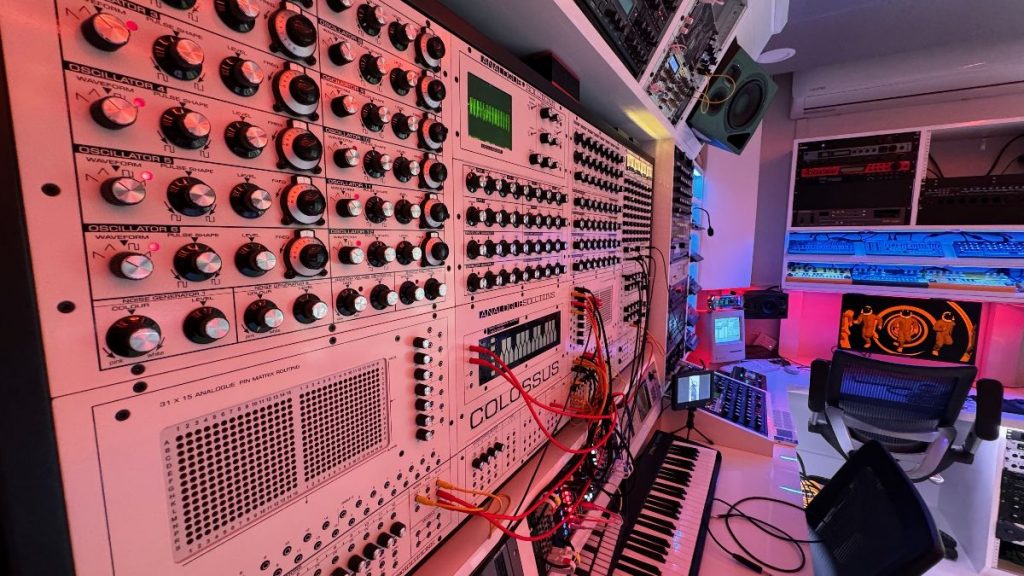
The Archive bay is built around legacy machines including Klayton’s original 1990 Mac Classic running Opcode’s Vision 1.32 software, which he used to compose his first 5 albums for his projects Circle of Dust and Argyle Park. The Archive bay also contains more Roland Boutique synthesizers, Behringer 303’s, and Ensoniq Mirage (connected to the Mac Classic to run the Sound Lab editor software,) a Sequential Prophet 2002 rack sampler, Novation Bass Station Rack, TC Helicon Voiceworks Plus, E-MU Proteus/1 & Turbo Phat and Alesis D4. There are a pair of Mac G5 towers running legacy versions of Pro Tools from various periods of Klayton’s career which allows him to recall sessions from older albums and/or create something new using the hardware & software of those eras.

The MXR bay contains several racks full of outboard gear, running to an array of TT patchbays which also connect to Klayton’s Mackie 32•8 Mixer (used on the debut Celldweller album,) a Sherman Filterbank 2, Alesis Quadraverbs & Midiverbs, Korg A1, Boss SE-70 (Klayton heavily used the vocoder algorithm on his early Circle of Dust albums,) DBX 160X, ASHLY SC-50, Aphex Aural Exciter, Roland SDE-1000 & SRV-2000, Zoom 1204, ART SGE Mach II & ProVerb, Ensoniq DP/4, TC Electronic Fireworx, Alesis 3630, DeltaLab Effectron II and Washburn WD-700.
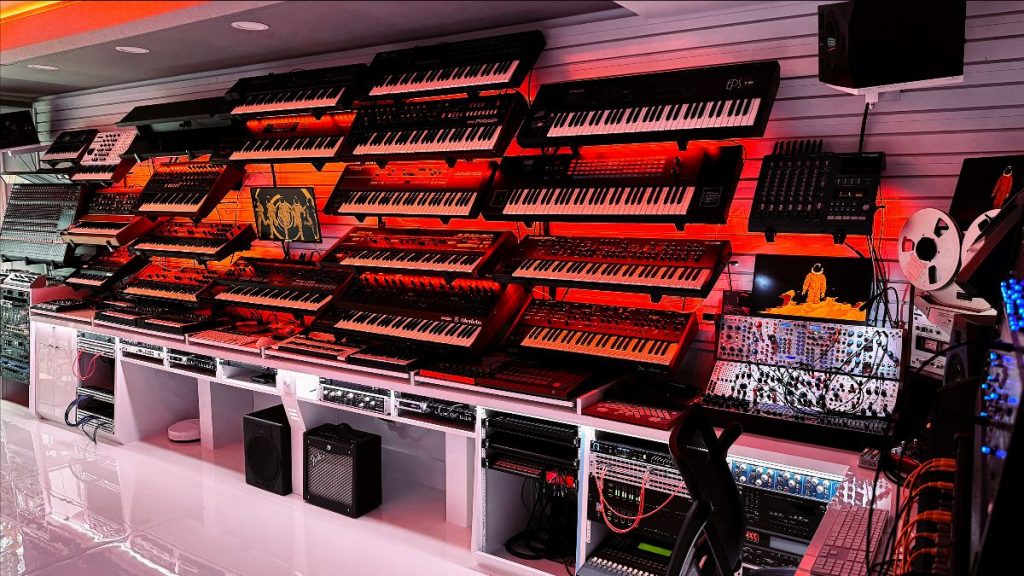
Synth Engine is a wall of hardware synthesizers & samplers, all running to the TT bays which can be patched to the Mackie 32•8 or run anywhere else in the studio. “I love the sound of the Mackie,” Klayton states. “I frequently run synths to it, oftentimes using the Mackie EQ section, then send them to FX from the MXR bay and into my main rig in CMD_CTRL.” Synths and samplers include a Roland Juno-60 & Juno-106, dual Prophet 600’s, the Prophet-X & Prophet 2000 samplers, a MiniMoog, Analogue Solutions Telemark-K, IK Multimedia Uno Synth Pro, Korg ARP Odyssey, EX-800, M1, Volcas, Mono/Poly & PolySix (with Kiwi Upgrade,) Novation Bass Station II & AFX Station, Roland Jupiter X, Yamaha DX-7, Oberheim OB-Xa with MIDI mod, Dave Smith Instruments OB-6, Arturia MiniBrute 2 S, MiniBrute & MicroBrute, Yamaha Reface CS, Elektron SID Station, 3 Oberheim Matrix 1000’s, Ensoniq EPS-16+ keyboard sampler & Klayton’s very first keyboard he washed dishes at an Italian restaurant to afford – the Roland D-20. There are several workstations and drum machines in Synth Engine including Roland TR-8 with the WaveR8 card, Roland TR-8S, a circuit bent Alesis HR-16, a modded Kawaii R-100, Boss DR-550 mkII, an Elektron Octatrack and Akai MPC Live. Also stationed in Synth Engine are small combo amps by the likes of Line 6, Fender & Peavy.
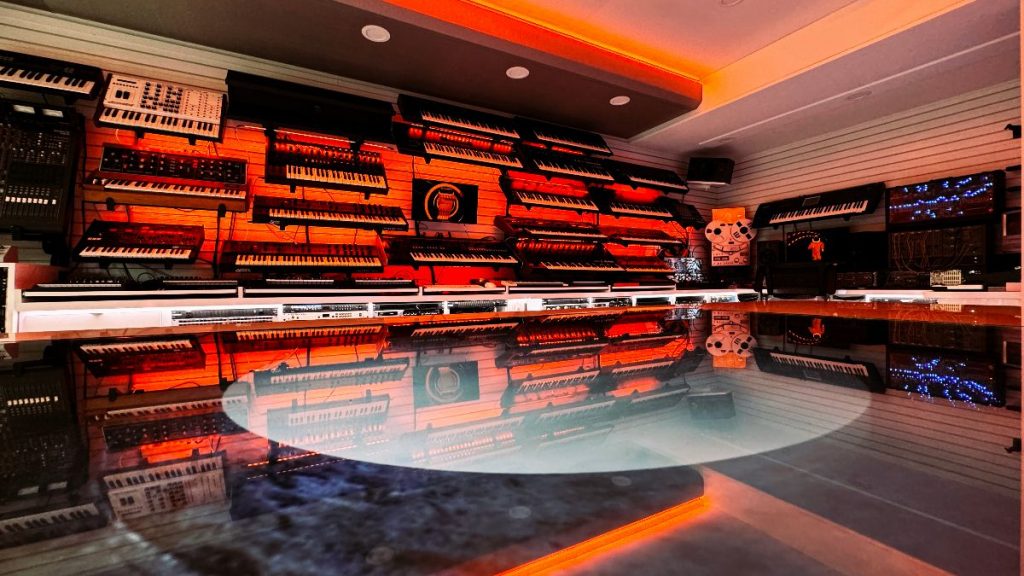
Buchla Station orbits around a Buchla 200e series rig, along with a series of additional legacy gear. His original Power Mac G4 running Pro Tools 5 allows him to resurrect software and sessions of a bygone era. Samplers include an E-MU E4XT Ultra, EPS-16+ and Yamaha A5000 attached to a switchable SCSI2SD array. Several Electrix FX processors round out the effects. A Korg Triton keyboard is used as a soundsource and controller. There’s a Eurorack setup, ~200HP, a DSI Evolver, TTSH ARP 2600 clone built by Low-Gain Electronics, an original Roland System 100M and a Dewanatron Swarmatron. There are several tape based systems – 4-track cassette recorders including the Tascam 424 mkIII, a circuit bent cassette recorder by Battery Operated and an Akai reel-to-reel machine Klayton’s grandfather left to him. A Yamaha Pro Mix 01 allows local mixing which can be recorded back into the G4 or his second trashcan Mac system, connected to a MOTU Ultra Lite AVB interface, while several TT bays link the audio to and from the rest of the studio. 

The Spacebar island features an integrated 55” LED screen and 4 bays for additional rack mount hardware and expansion. More legacy gear like the Fostex RD-8 ADAT machines, Sony Timecode generator and legacy MIDI Interfaces live here.
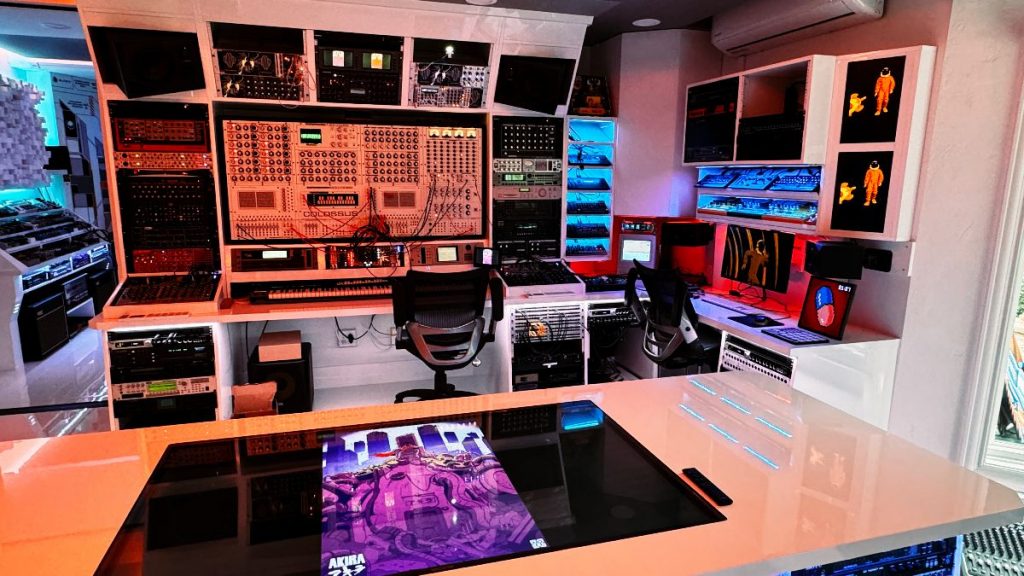
SANCTUM also has an open bay for drums featuring a custom Pintech e-drum kit connected to an Alesis Trigger IO brain. Klayton also still has the first drum kit he ever purchased, a used Tama Superstar kit with Zildjian cymbals.

AIR_LOCK, the studio vocal/iso booth, houses a Neumann M149 mic. Since Klayton also engineers all of his own music, he has an Avalon ST737 in the booth for hands on tweaking while cutting vocals, recording stringed instruments or trash cans. His mic locker contains mics from AKG, Rode, Sennheiser, Slate, and more.

SALVAGE_BAY
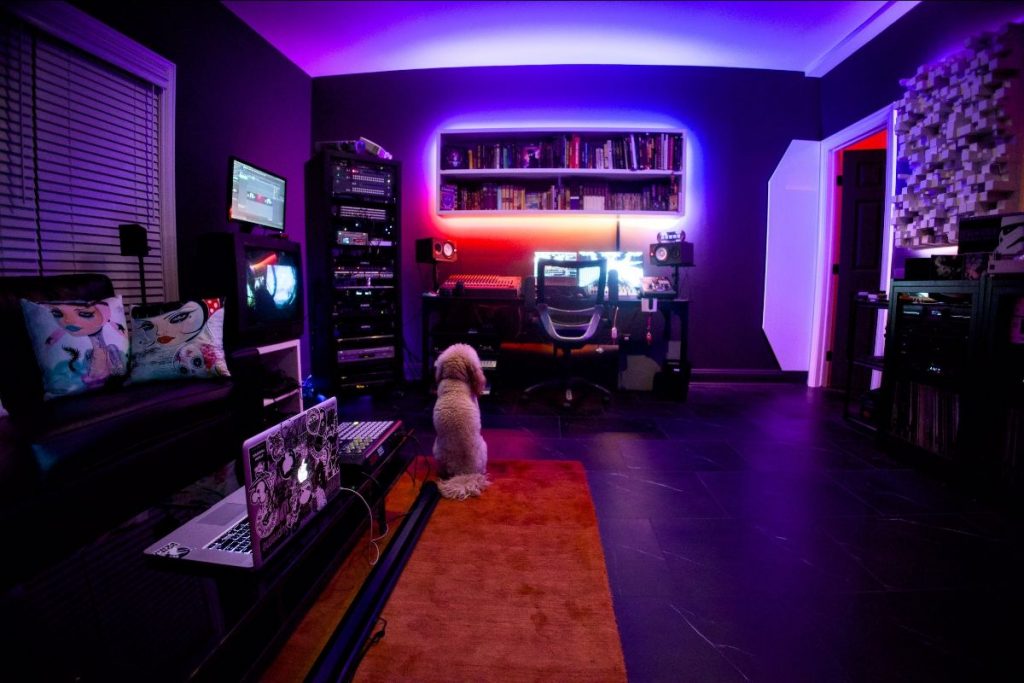
The SALVAGE_BAY is a distinctly different room both in function and aesthetic. Part creative space, part living archive, this room is where decades of legacy video & photography tech converge into a functioning creative tool, alongside Klayton’s personal collection of media, music, and books.

The room is built around racks of vintage video processing and routing gear used for mixing and mashing video as well as analog video glitch art, including a Roland Edirol V-8 video mixer, several Kramer video matrix switchers, a Prime Image 50 III TBC, and a lineup of boutique circuit-bent and eclectic glitch art video units from the masterminds at BPMC, LoFi Future, Mezkalin, PUSHKAR BRAND, Sound Study Modular, Melted Electronics, Schele, and Gieskes. The destinations for these devices are across an array of CRT TVs, Sony Watchman portable TVs, projectors, and projection screens for feedback, glitching and display. Several Ableton APC-40’s allow for live triggering of visuals in Resolume Arena in tandem with audio.
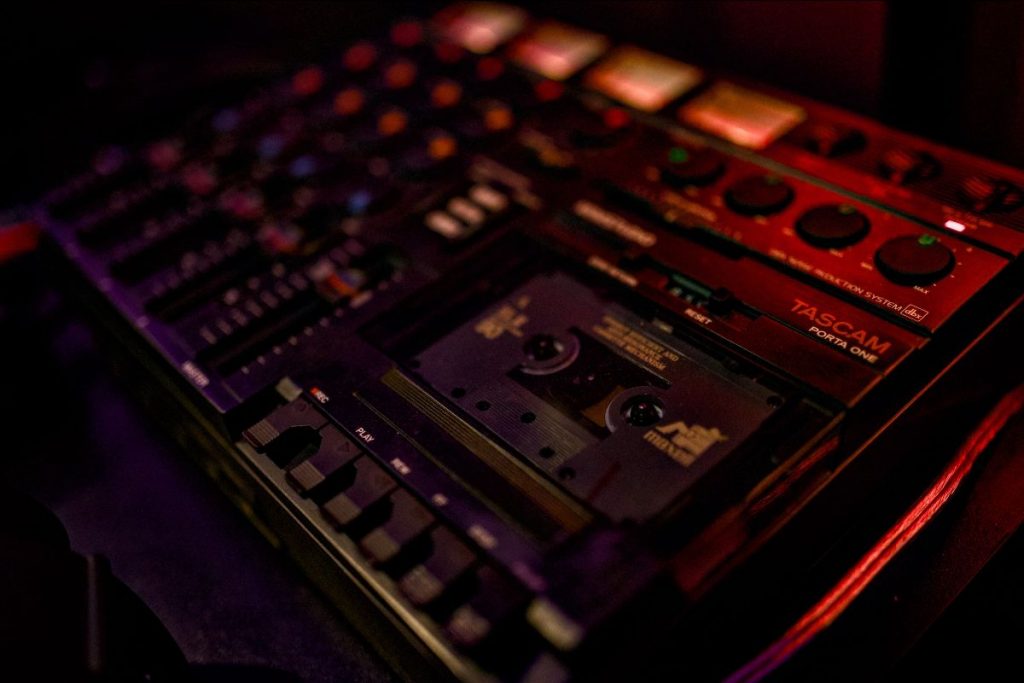
Rounding it all out is a working collection of nearly every consumer video and audio format of the past five decades, including:

• Video formats across VHS, VHSC, Hi-8, 8mm, Digital 8, Laserdisc, DV and Mini-DV
• Analog audio tape across reel to reel, cassette, and 8-track, TASCAM 4-track recorders routed in and out of a TASCAM M-216 mixer

Klayton also keeps a working motion and still photography station in the room, with a mix of film and digital cameras alongside Epson and UMax scanners used for scanography art.

The listening side of the room leans just as retro, anchored by a hi-fi setup that includes receivers, cassette decks, Minidisc players, Yamaha MD8 mini-disc 8 track recorder, VCRs, a Pioneer 8-track, Akai reel-to-reel, record players and his original Conion boombox he purchased in the 1980s.
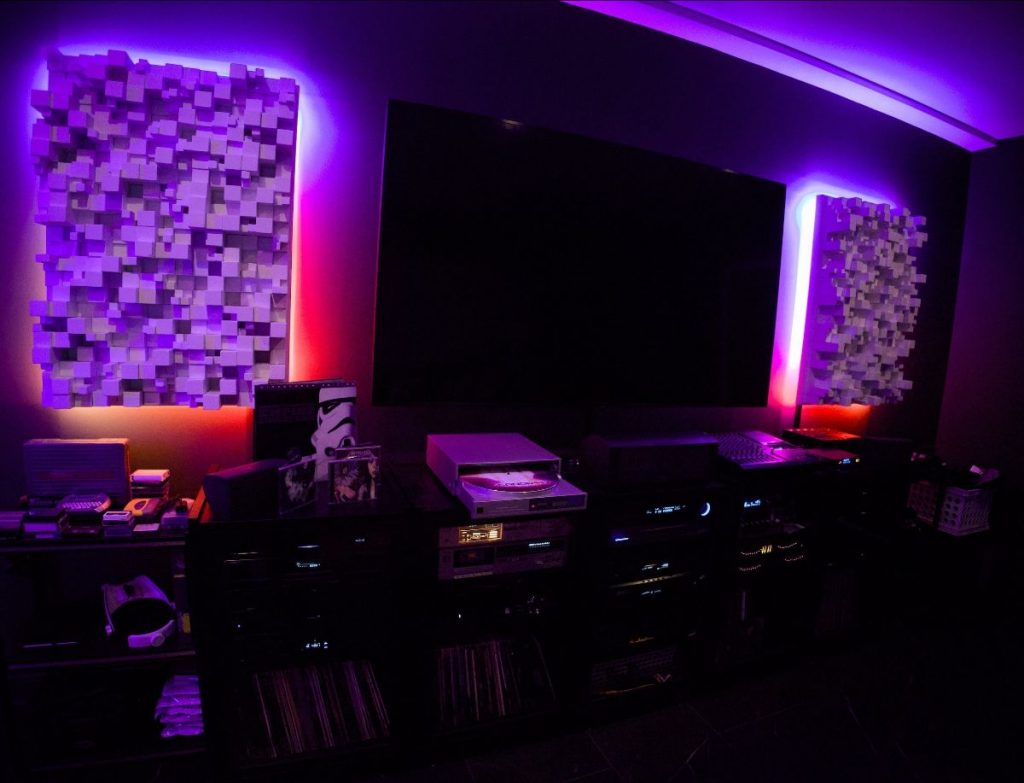
Beyond the gear, SALVAGE_BAY functions as Klayton’s personal archive. Shelves and cabinets hold his collection of laserdiscs, vinyl, and collectible books, alongside his video archive spanning his career, from early ‘90s Circle of Dust live footage through 2003 and 2012 era Celldweller shows and studio sessions, up through present day. Much of it lives on the same formats used to capture it, making the room as much a functioning tape and disc library as it is a production space.
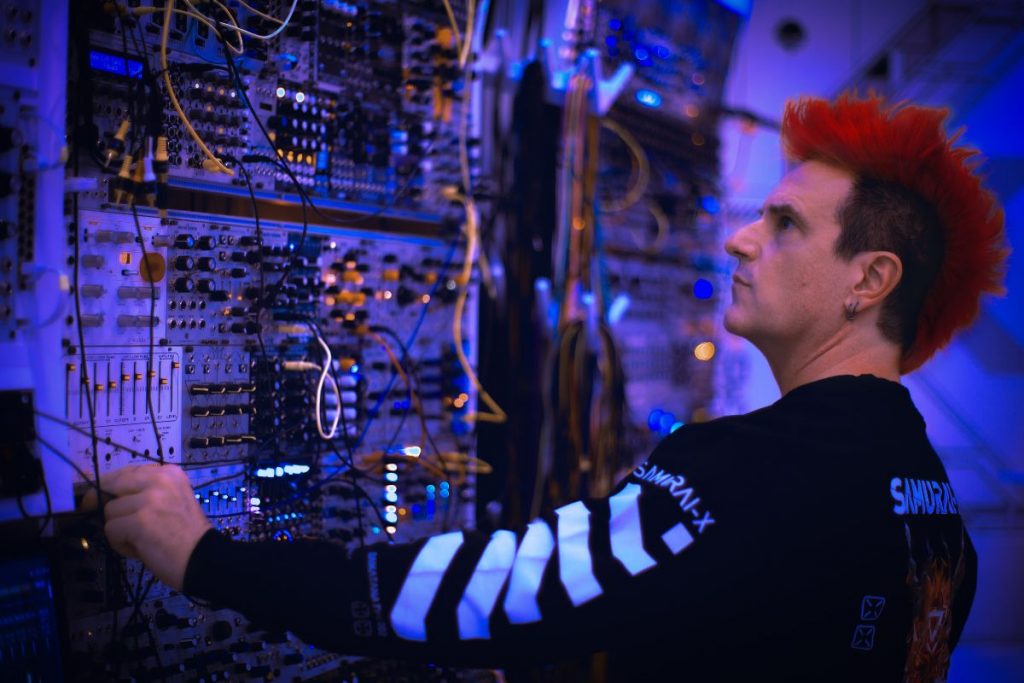
While Blackstar is a visual powerhouse with the room design and impressive array of physical gear, Klayton relies on a number of key software components to drive the studio, including Cubase, FL Studio, Ableton Live, Logic Pro, utilizing Metagrid Pro across dual iPads in CMD_CTRL, along with plugins and sound libraries from FabFilter, Native Instruments, Izotope, SoundToys, Arturia, D16 Group, Joey Sturgis Tones, Drum Forge, Eventide, Heavyocity, Impact Soundworks, Polyverse, Kilohearts, Korg, Krotos, Ohm Force,  Sugar Bytes, Tal, XLN Audio, Zynaptiq.

Blackstar becomes the creative home for two major upcoming releases: the next Celldweller studio album, GOD MODE,  and the next Scandroid album,  Lost Horizon, both currently in active production.

Watch Klayton’s live modular performance of “Orbital Drift” under his project  FreqGen, filmed entirely inside of Blackstar in the CMD_CTRL room using his modular eurorack wall.
Nitroverts Announce Sophomore Album The True Nature Of Antimatter Is Now Available For Pre-Order

September 18, 2026
Artist News, Artist Press, Label News
Artist, Artist Signing, FiXT Music, Label News, Nitroverts

Electro-Metal duo Nitroverts have announced their sophomore album The True Nature of Antimatter is now available for pre-order from FiXT. 

Nitroverts unleash True Nature Of Antimatter, a hard-hitting follow-up to Endogenous. The album delivers a chaotic fusion of alternative metal, nu metal, industrial rock, punk, and hard rock, balancing raw aggression with polished production. From the thrashing guitars and heavy vocals of “Under My Skin” to the driving intensity of “Sirens” and “Counterparts,” the album is packed with crushing riffs, industrial-tinged textures, and relentless energy. The band’s skillful musicianship comes through across the album, with riveting vocals from Yann Zhanchak and guitars, electronic programming, mixing, and production from Ars Nikonov, also known for his retro synth project Fury Weekend. Raw, abrasive, and intensely produced, True Nature Of Antimatter showcases Nitroverts’ modern take on heavy rock while pushing the boundaries between metallic aggression and industrial electronics. If you enjoy brutal vocal performances, blistering guitars, provocative lyrics, and action-packed tracks from start to finish, True Nature Of Antimatter is the headbanging experience you’ve been waiting for.

Releasing with the pre-order announcement today Nitroverts unleash “Under My Skin,” a hard-hitting new single that blends thrashing guitars, heavy vocals, and industrial-tinged production into a relentless fusion of alternative metal and nu metal. Dark, aggressive, and packed with raw energy, the track delivers a modern take on heavy rock with an abrasive edge that gets firmly under your skin.

https://youtu.be/VKdpavsuqQU

What do you get when you cross the classic rock/electronic ’80s vibe of Ars Nikonov’s Fury Weekend project with the impassioned, versatile, and high-octane vocals of Yann Zhanchak? You get Nitroverts, a hybrid electronic rock / nu-metal fusion collaboration between two Belarusian artists at the top of their game. 

In 2021, the duo hit the ground running with their aptly named debut track “Starting Point,” declaring this is only the beginning and there are more great things to come in the future. Their album Endogenous released mid 2023 and with their second album The Truth Nature Of Antimatter is set to release Oct. 30, 2026

Follow Nitroverts!
Facebook | X | Instagram | Spotify | SoundCloud | YouTube

FiXT Signs Metalcore Project Enemies & Allies

September 17, 2026
Artist News, Artist Press, Label News
Artist, Artist Signing, Enemies & Allies, FiXT Music, Label News

FiXT is thrilled to announce the signing of metalcore band Enemies & Allies. 

“I’m thrilled to welcome Enemies & Allies to the FiXT label roster. They’re writing super catchy futuristic electronic-rock and metal material that fits perfectly in our catalog and we’re excited to shine a light on their incredible writing and musicianship.” – James Rhodes, FiXT President

Enemies & Allies are a metalcore band from Charlotte, NC, known for their intense sound and emotionally driven songwriting. The lineup consists of vocalist/bassist Alex Retianu, guitarist Kirill Malienko, and drummer Marz Minter. The band crafts a dynamic and polished sound, having worked with renowned producers Cameron Mizell (Memphis May Fire, Sleeping With Sirens) and Kellen McGregor of Memphis May Fire.

The signing kicks off with the release of the brutal and emotionally charged NIGHTMARE EP. The band’s first release with FiXT,The NIGHTMARE EP, is a three-song EP co-written, produced, mixed, and mastered by Kellen McGregor of Memphis May Fire. The EP confronts betrayal, manipulation, isolation, and the struggle to break free. Combining crushing instrumentation with raw emotional intensity, the EP explores the scars left behind by toxic relationships and the fight to reclaim your own voice.

The NIGHTMARE EP opens with “Digital Sadness” captures the emotional weight of living in a hyper-connected world. “Nightmare” is a relentless anthem about betrayal, manipulation, and breaking free. “Your Memory” closes the EP out with another heavy and brutal assault on the sonic senses. Together, the three tracks form a visceral snapshot of pain, isolation, and resistance, turning personal struggle into something loud enough to fight back.

The band has worked with renowned producers Cameron Mizell, known for his work with Memphis May Fire and Sleeping With Sirens, and Kellen McGregor of Memphis May Fire. In early 2026, Enemies & Allies hit the road alongside future labelmates Daedric, bringing their high-energy live show to audiences up and down the East Coast. Now the band has announced their signing with FiXT, marking a new chapter for Enemies & Allies as they prepare to release expanded back catalog material as well as new songs and a new upcoming full-length album in 2027.

For more information on Enemies & Allies, be sure to follow them at the links below.

Follow Enemies & Allies!
Facebook | Instagram | Spotify | SoundCloud | YouTube

Twenty Years Of Noise

September 17, 2026
Label News
FiXT Music, Label News
  1. When you look at FiXT today, what does it represent? Not just historically, but as it exists right now?

FiXT is at an inflection point. We’re celebrating 20 years, but more importantly, we’re stepping into a new era: and we’re doing it with clearer eyes than we’ve ever had.  

Over the last two years or so, we strategically downsized our roster to focus and go deeper with fewer artists.That worked in some ways, the artists we focused on saw real growth, and we were able to give them increased resources that made a difference. But we learned something else as well; a smaller roster means fewer releases, and fewer releases means less momentum across the board. 

So the next chapter is about rebuilding that roster intelligently, with everything we’ve learned across 20 years of navigating this industry.

That said, we’re not operating in a vacuum. Streaming has been a major driver for us — we were early adopters, and we rode that wave well. But we’re seeing fatigue in that ecosystem now, both from consumers and from the sheer volume of content flooding the platforms, including AI-generated music. That’s a real competitive pressure we’re not pretending isn’t there. 

Our answer is to lean back into direct-to-fan engagement. Honestly, that takes us back to how FiXT started, that was the core of the first decade. In a lot of ways, we’re returning to our roots while applying everything we’ve built since. Being early, being forward-thinking, staying ahead of the curve. That’s always been the game plan, and it still is. 

  1. When you look back to the label’s founding, what problem were you trying to solve that still feels relevant today?

FiXT started in 2006 because Klayton needed it to. After years of bad label deals, he went fully independent and then had to figure out how to actually survive as an independent artist. What he landed on were three pillars: distribution and the label side, merchandise, and publishing and sync licensing. Once he’d built those out for his own career and proved they worked, the logic was simple. If this model works for one independent artist, it should be scalable for others.

That’s the origin. Not a business plan, a solution to a real problem.

That problem hasn’t changed. Independent artists in 2026 still need exactly those three sides, the label infrastructure, the merchandise, and the licensing relationships. The tools have evolved, but the gap we’re built to fill is the same.

  1. How would you define FiXT’s identity in 2026 to someone encountering it for the first time?

FiXT’s identity is: record label, music publisher, and merchandise company. We’re a fully independent artist owned company. And we’re here to empower artists to build careers in ways not possible on their own by putting a world class team around them and helping them develop lifelong fan relationships. And that’s really it. That’s our mission statement and what we do.

  1. FiXT began as something very specific. What core principle has never changed, even as everything else evolved?

There are a few, but the one that’s defined us most is this: we’re not in the business of making rock stars. We’re in the business of building careers. Those are two very different things. 

Over the years we’ve encountered incredibly talented artists where it became obvious pretty quickly that music was a lifestyle vehicle for them, not a profession. The cliché exists for a reason. And that was never our path. Artists who weren’t operating from some basic set of business principles never really meshed with what we were building. We either parted ways or didn’t sign them at all. That’s kind of been a principle that’s been there all along.

But some other answers you might expect include that we’ve always had a really high production quality bar. So within the genre lanes that we operate in, we have a very particular production quality that we expect that we’ve come to be known for and that hasn’t changed, in twenty years.

  1. What’s something about FiXT today that would have been impossible to execute 20 years ago?

I mean, so much of what we’re doing now we couldn’t have done back then. In the early days we were very much dependent on a lot of gatekeepers and middlemen to go pitch to certain outlets. We just didn’t have the relationships. Twenty years ago there were a lot more gatekeepers. Today the industry has gotten more accessible.

We’ve negotiated direct deals with DSPs and platforms, joined organizations like Merlin and A2IM, and built the kind of relationships that let us go directly to Spotify or Apple, not through an intermediary, not hoping someone passes our pitch along.

  1. How has your role shifted from building the foundation to shaping the future?

When the company started, even though I was “co-founder”, I really had no intent or expectation to be the president of the label or to be a label executive one day. I was employee number one, entry level, figuring things out alongside and for Klayton.

The title evolved slowly. For a long time I was General Manager which felt accurate, because even as the de facto number two in the company, I wouldn’t have called myself a label executive. We were small.. 

What changed was deliberate investment in growth; specifically mine. About five years ago, Klayton approved putting me through a year-long executive coaching and business accelerator program. That was a real inflection point. Within about a year of completing it, we doubled the revenue of the company. I think a meaningful part of that was directly connected to what I learned and was able to implement. 

Over twenty years, we’ve really built out a team and developed the experience and the relationships to where we’re interacting with some of the most respected independent labels in our genres, and doing so as contemporaries.

  1. FiXT sits at the intersection of art and industry. How do you balance creative integrity with scalability?

There’s always tension between the artistic side and the business side. Klayton still says it in meetings to this day: we’re not doing this for the money. So while we have to run a profitable, sustainable business, it’s never been about chasing the bottom dollar. 

Over the years, sometimes to our detriment, we’ve gotten excited about projects that were so niche they were never going to scale. We still do that from time to time because we want to be seen as tastemakers who care about art, not just a label chasing dollars. So we run some projects that flex a lot more toward the artistic side, and others built more for broader appeal and growth.

The tension shows up with artists too. Scaling a business means marketing, promotion, social media, the unglamorous work of finding an audience, and not every artist wants to live in that world.

But for us it starts with the art. There has to be world-class artistry we believe in first. Then we bring the business acumen to scale it as far as it’ll go.

  1. What does “noise” mean to you in a broader sense? Beyond music?

Twenty years of noise… we have worked across multiple genres from electronic rock, what we call future rock and industrial, to the synthwave side and darksynth to indie pop. And we’ve done lots of EDM subgenres that are mostly more aggressive bass music or or drum and bass kind of influence.

So we have a sound and an aesthetic that is typically more aggressive, high energy, works very well in sci-fi video game kind of stuff. And then we just think this is the “new noise” that we’re into and that we’re finding cool stuff we’re into. We’re always trying to find artists that are pushing the boundaries of genre combinations and doing something unique and different. A lot of our music, even even our most popular music in the grand scheme of things, could still be considered underground and that we’re part of a subculture of music and not necessarily mainstream. But yet we’re able to find enough of an audience globally that can make it successful.

  1. How do you decide what belongs in the FiXT ecosystem today?

We’re looking for what I’d call “world-class” and that shows up on different levels. Production quality matters a lot; many of the artists we’ve worked with are self-produced but operating at a level high enough to stand out on its own. Others are exceptional songwriters first, and we pair them with producers and engineers who get the production where it needs to be.

What matters most is a unique voice; artists who aren’t just doing what everyone else is doing. When a sound connects in the mainstream, you get a hundred copycat bands that all sound the same. FiXT has always looked for the opposite. Take The Browning: he goes from metalcore and deathcore, into what he calls “rave metal,” bringing in heavy electronic elements most rock and metal acts wouldn’t touch. That’s been the throughline for us on the rock and metal side, not light electronic programming, which plenty of bands have done, but pushing it to an extreme that’s genuinely different.

We also want artists who keep evolving without losing what makes them recognizable. The Anix is a good example, if you know his music, you can pick any record of his out instantly. But album to album, he’s trying new things, pushing in different directions, never repeating himself.

  1. The music industry has transformed dramatically since you first started. What change had the most profound impact on how you operate the label?

A few stand out. The biggest, operationally, was moving from a traditional distributor to direct deals, taking control of our digital business instead of going through a middleman. That gave us the ability to pitch directly and run a much more creative release strategy than we could have otherwise.

The format itself has shifted under us too. We started in the CD era, watched downloads take over, then streaming overtook downloads as the dominant revenue stream. We were early adopters there. We were also early into building a one-stop catalog — masters and publishing under one roof — which gave us real advantages in sync licensing through the 2010s, though that world has gotten far more competitive since everyone’s chasing placements now.

And then there’s vinyl. We didn’t press our first record until 2015 with Celldweller: End of an Empire. Now we’re doing close to a vinyl release a month. More than half the people buying vinyl probably don’t even own a turntable; it’s become a collectible object, something to hold and read liner notes from. CDs, oddly, are starting to creep back too.

  1. FiXT has grown into a culture as much as a label. How would you describe that culture with your fans?

We’ve built FiXT not as a faceless label but as a brand fans connect with directly. A lot of people come in for one artist and end up discovering the whole roster, they like one act, then realize we’ve got ten others, and a lot of the time they end up fans of multiple artists, sometimes the whole lineup.

For years I packed and shipped every order from our online store myself. Now we have a team that handles it, and I have to go out of my way to look for these details. But one of my favorite things is still seeing an order with merch from four or five different artists on our roster in one cart. That’s the most satisfying proof that people aren’t just fans of one thing we put out, they’ve bought into the whole culture.

  1. What do you think artists gain from FiXT that they wouldn’t find elsewhere?

We do things differently, and that’s not just our take, it’s what artists and other industry people tell us. Start with the deal terms: we do 50-50 splits with our artists, where a lot of labels are still doing 80-20, 85-15, 82-18. We take pride in the fundamentals. A lot of labels still get the basics wrong:  paying on time, sending statements, actually responding to messages. Those sound basic, but artists coming from other labels tell us constantly that they couldn’t get anyone on the phone, didn’t get paid, never saw a statement. Doing the fundamentals consistently well already sets us apart.

Beyond that, we’re more hands-on than most labels I know of. Our artists have real access to our team, we run a Discord server where they can reach the full staff in real time, 40+ hours a week. We run educational webinars, sometimes with outside industry experts, to help artists grow.

We don’t formally manage the artists on our roster, but we have a larger relationship with our artists than a lot of labels do as we’re also our artist’s publisher and merch partner all together. We’re pretty hands on and consistently go above/beyond to serve our artists needs. We bring in software and gear discounts, endorsement opportunities, help pitch our roster to booking agents  and a number of those types of things, usually reserved for management. A lot of our artists never feel the need to seek outside management because so much of what they’d need is already covered here.

That comes from being genuinely in the weeds on the A&R side, understanding what an artist is actually trying to do, and when we can connect dots for them, introducing them to other people in the industry, etc.. we do it.

  1. How has FiXT’s culture evolved as the company matured?

For the first decade or so, it was organic, we were just figuring out whether we’d survive and be around for the long haul. By the second decade, we’d proven that to ourselves. Around 2020, we sat down for the first time and actually wrote out a formal mission statement and set of values. We read them at most of our team meetings and revisit them regularly. Repeating those values, keeping them present for the team, has helped build the culture into what it is now, the standards we aspire to across every part of the company.

  1. What perspectives did you and Klayton bring early on that still influence decisions today?

We’re an artist-owned, artist-focused company, and that’s rooted in Klayton’s own experience. Before FiXT, he went through multiple label deals over his first decade-plus as an artist and came away unhappy with how they treated him. That shaped what we wanted FiXT to be, the opposite of what he’d lived through.

Being artist-owned has driven a lot of choices over the years that other labels might not make. We’re a business, and we have to be sustainable and profitable, but we built the model around serving artists rather than artists serving us. We’re here to help them reach their vision, and in turn that helps us reach ours.

Klayton set the bar on quality, he has an incredibly high standard for production and a clear vision of what world-class looks like, and that’s driven the art side from day one. I brought more of the service side: good customer service, not just with our artists but with fans and customers. Michelle on our team took that early instinct and ran with it, to this day, customers get handwritten notes and thank-yous on their order slips. It’s a small thing, but it’s become a real touchpoint for fans.

We’ve also built in little unexpected moments, special thank-you messages from artists that show up in a customer’s email after they order. People have posted on social media about how fun their receipt was, which is a strange thing to find joy in, but if a little bit of humor in the text brightens someone’s day, that matters. We hear from artists about fans who say the music helped them through genuinely dark periods, and on the other end of that same spectrum, we’re just trying to find small ways, even something as minor as a receipt, to make someone’s day a little better.

  1. How has that original partnership model evolved as FiXT grew?

Twenty-plus years of running this company together has come down to trust and communication. A lot of businesses don’t make it that long — partners split, can’t get along, walk away. We’re still here. In the early years, Klayton and I were on the phone five-plus days a week, deep conversations every single day. As the company’s grown, that’s spread out some — we’re talking multiple times a week now instead of daily — but the trust runs deep enough that we don’t need to know every detail of what the other is handling. We trust each other to own our respective sides. It really does come down to trust and communication. 

  1. Are there any decisions you made early on that you would approach differently today, given what you now know?

We’ve tried a lot of things over the years, and we’ve had plenty of failures along the way. If we had to make some of those same calls today, we probably wouldn’t go down those paths again but at the time, they made sense.

For a while we were the world’s largest EDM merch store, carrying everything from Deadmau5 to Porter Robinson to Tiësto, plus twenty or thirty other recognizable names in dance music. We bought and ran a hip-hop clothing line, technically a separate company, but we operated it under FiXT. At another point we became our own digital download store, working with distributors to offer around 100,000 independent tracks, not just our own catalog. Once streaming took over, competing on downloads in a streaming world stopped making sense, and that business quickly went away.

We also ran our own publicity agency at one point, had three full-time publicists handling PR for about twenty external clients a month, on top of the label’s own work.

Eventually we narrowed down to just being a label, publisher, and merch company. We still get the itch to chase interesting side ventures. Some of those didn’t last, but they may have been exactly what kept us alive long enough to get to the next phase.

We stay focused on Klayton’s vision and mine as the heads of the company. We have no plans to step back and hand this off to someone else and let it drift into something different. Twenty years in, I think we’ve still got a long runway ahead of us, continuing the same aesthetic and sensibility in the artists we look for, and continuing to attract fans who end up liking everything we put out. Making sure anything we sign aligns with that vision is what keeps it all cohesive. 

  1. What does the next era of FiXT look like?

We’re going back to a larger roster, with both a rock and metal side as well as bringing more of the FiXT Neon synthwave and indie pop side back as well. We’ll keep building on our three core models: the label, our publishing and sync business, and merchandise and fan community.

Sync has gotten more competitive than it was in our early years, but we’ve been working behind the scenes, especially the last couple years, with new sync partners, and we’re excited to see some fresh growth there. We’ve had consistent music placements recently in WWE and UFC events and lots of other sports broadcasts (MLB, NHL, etc..).

The bigger shift is toward direct fan connection. We’re moving some away from as much streaming focus and putting more priority into deepening the relationship with fans directly. We’ve just launched a couple releases on a new platform called EVEN. It has the ease of use of a streaming experience, but built on a purchase model where fans actually own the music, with bonus content that brings them deeper into an artist’s world. That’s something we’re going to lean into heavily going forward.

18. How is AI shaping the way FiXT and your artists operate? 

There are pros and cons. On the operations side, there are real efficiency gains, AI tools can help with files, data, spreadsheets, formatting, and the administrative side of running a label.

On the creative and authenticity side, it’s a different story. Almost every artist I’ve talked to finds these tools exciting and scary at the same time. There’s a lot of curiosity, everyone wants to know what these tools can do, but also real fear: will this replace me?, will platforms get flooded with AI output that crowds out real music? etc…

Part of what we want to do with our artists is make sure the art stays authentically theirs, not a prompt output. (For the record, we don’t accept or put out any generative AI created music.) But I think we now have to go further than that, we have to actively show people there was human authorship behind the work, because if you don’t, the accusation that “this is probably just AI” becomes something every artist has to face. We’ve seen that on recent releases that are 100% human made and fans are jumping into comments accusing it was AI made when it wasn’t. That means we’re pushing artists to be documenting the process: behind-the-scenes footage, interviews, content that shows the actual creative work happening.

Daedric is a good example of putting in the work of documenting their process. They just released an acoustic EP, and they put together a 40+ minute documentary showing the studio process, rewriting lyrics, reworking melodies and arrangement, the whole thing. Leaning into that kind of transparency does two things: it proves authenticity, and it gives fans something deeper to engage with. There’s a lot still up in the air with AI, new tools, new lawsuits, new developments daily. We’re keeping an eye on it and trying to stay ahead, but it’s moving fast. Time will tell what the full impact will be.

For more information on FiXT, visit: www.fixtmusic.com.


Young Medicine Sign With FiXT Announce New Multi-Album Deal

September 16, 2026
Artist News, Artist Press, Label News
Artist, Artist Signing, FiXT Music, Label News, The Browning

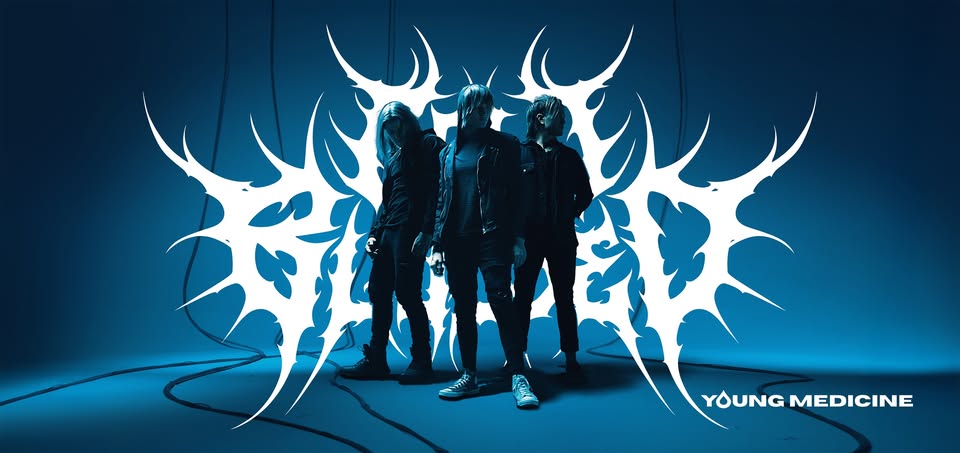
Young Medicine announced they have officially signed a new multi-album deal with FiXT, marking a new chapter for the genre-mixing band and their relationship with the label.

The partnership kicks off with the re-release of “Immolator,” a high-energy collision of hard rock, metalcore, and alternative metal that pairs retro-inspired synthesizers with heavy guitars, rapid-fire rhythms, and a passionate vocal performance that erupts into explosive screams. With its combination of nostalgic electronics and modern heaviness, “Immolator” finds Young Medicine pushing their signature fusion of sound into even more aggressive territory while setting the stage for a new era of releases with FiXT. 

https://www.youtube.com/watch?v=g5RA9KNGNJI

Rising synthwave rockers Young Medicine pull the best from diverse genres to build a carefully constructed music identity that defies simple categorization. Thumping double-bass beats and crunchy guitar riffs hammer out hard-hitting rhythms while chorus lines partner with sparkling retro synth tones for a stunning mix of audio ideas. If synthwave and metal got together and started a boy band, the result might sound something like Young Medicine, who have put themselves on the map as pioneers for a new era by bringing rockstar swagger to the retrowave movement. 

Follow Young Medicine!
Facebook | X | Instagram | Spotify | SoundCloud | YouTube | Website

FiXT Celebrates 20 Year Anniversary, Announces New Roster Signings & Launches 20 Years of Noise Vinyl

September 10, 2026
Label News
FiXT Music, Label News

FiXT, the independent, artist-owned label from artist/producer Klayton (Celldweller, Scandroid), today announced the celebration of the company’s 20 year anniversary, with a wave of new and returning roster signings, and the launch of a 20 Years of Noise picture-disc vinyl spanning two decades of the label’s catalog.

Roster Signings & Returns

On FiXT‘s alternative, hard rock, and metal side of the roster, the label welcomes back The Anix for a new multi-album deal with new music arriving Fall 2026, along with Fight The Fade for an upcoming 2027 album cycle, and the re-signing of Young Medicine. FiXT also welcomes newcomers Enemies & Allies and Rabbit Junk to the roster, each bringing their back catalog to the label along with new multi-album deals for the future.

Active Roster Highlights

The label’s current artists have a packed year ahead. The Browning is wrapping a North America and European tour behind Burn This World [EVOLVED], with a new album on the horizon for 2027. THE DEFECT is preparing to release their sophomore album in a rollout spanning Fall 2026 through 2027. Celldweller has announced his sixth studio album, GOD MODE, and Daedric is heading into her debut European tour after launching an acoustic EP and accompanying 40-minute documentary, with work beginning on the project’s upcoming third album with FiXT. ENMY has completed recording their third album, with public rollout beginning Fall 2026 through Summer 2027. Nitroverts, a side project of Fury Weekend, is finishing their sophomore album in 2026. 

“It’s been an incredible journey watching FiXT grow since day 1 and then seeing where we’re at 20 years later. Everything we learned in the first 20 years is setting up an even bigger next 20. While it’s great to celebrate a milestone it still feels like we’re just getting started!”
— James (President & Co-Founder, FiXT)

FiXT Neon Expansion

For the past decade, FiXT has operated across the synthwave, cyberpunk and indie-pop space, often through its FiXT Neon brand, and the label is proud to announce its next expansion on that side of the roster. New full-length album cycles are underway from Scandroid, Fury Weekend, Kodeseven, and 3FORCE. FiXT Neon now welcomes back LeBrock, Signal Void, Mega Drive,and The Bad Dreamers.

20 Years of Noise Vinyl

FiXT has opened pre-orders for an 180-gram picture-disc vinyl, 20 Years of Noise, celebrating two decades of the label with tracks from Celldweller, The Algorithm, I Will Never Be The Same, Daedric, The Anix, ENMY, Blue Stahli, The Browning, Fight The Fade, Raizer, Circle of Dust, Soul Extract, and more. It’s available now at fixtstore.com.

Physical Releases & Anniversary Merch

The label has also launched a wave of new physical products and bundles, including vinyl pre-orders for The Bad Dreamers‘ debut album Songs About People Including Myself, ENMY‘s debut album Breaking Down, a double EP on vinyl from LeBrock and Battlejuice, and a second pressing of LeBrock‘s Real Thing / Action & Romance vinyl. Celldweller‘s debut album is also available on mini-disc and fans can also pick up a 12-album FiXT CD bundle for $50 (regularly $140) and a 10-album FiXT Neon CD bundle for $50 (regularly $125).

Rounding out the celebration, FiXT has launched a full line of anniversary merch, available now.

For more information, visit www.fixtmusic.com.


Scandroid Covers Celldweller’s “Jericho”

September 9, 2026
Artist News

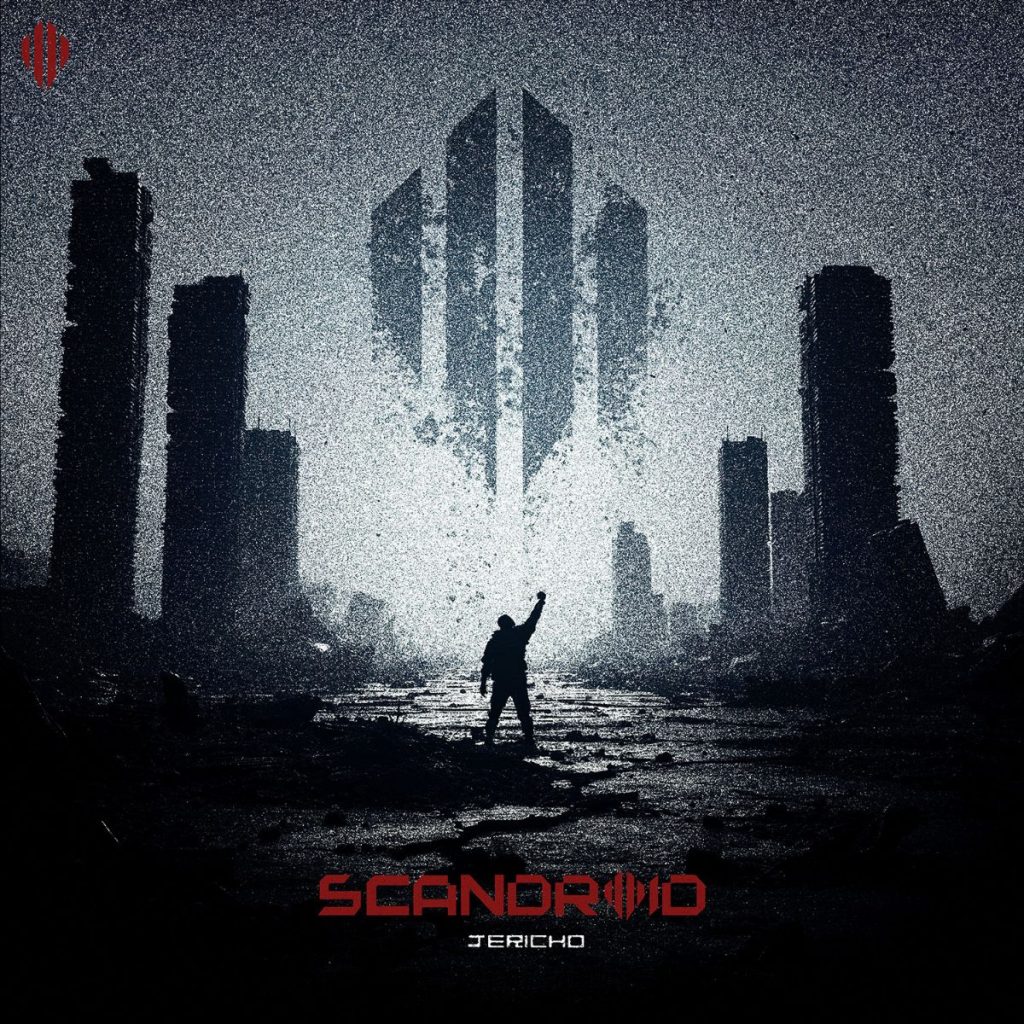
You heard it first from Cellweller. Scandroid returns with this enigmatic cover of “Jericho” out now from FiXT. 

Scandroid delivers an electrifying new take on Celldweller’s “Jericho,” reimagining the fan favorite as an energetic fusion of alternative, gothic rock, and retro-futuristic synthwave. The cover pairs soaring synthesizers, heavy guitars, driving rhythms, and cinematic atmosphere to create a bold, upbeat interpretation that is all Scandroid. Balancing dark melodies with anthemic energy, “Jericho” Scandroid transforms the original into a vibrant new experience while maintaining the sonic identity of the original. 

“The next single being the Scandroid cover (not remix) of Celldweller’s “Jericho.” I know, I know… a Scandroid cover of a Celldweller song with additional programming by Circle of Dust, remixed by FreqGen… I do  love collaborating with myself because I know everyone involved pretty well. Me, myself and I have it on lockdown and for me, all 4 projects have a distinct sound. (To be clear this version of “Jericho” is all Scandroid.) It’s very different from the original Celldweller version and I’m sure at least 2 or 3 of you will like it.”– Klayton, (Scandroid)

https://youtu.be/3pznz3gGavk

Fans can stream “Jericho” now on all major DSPs. For the full Lost Horizons experience, including bonus tracks and early access to upcoming singles from the album, the GOD MODE Season Pass is available exclusively on EVEN.

Purchase/Stream:
https://link.fixtmusic.com/LH-tr2_Jericho

Celldweller & James Rhodes: Fair Artist Deals & FiXT Music 20th Anniversary

September 8, 2026
Label News
FiXT Music, Label News

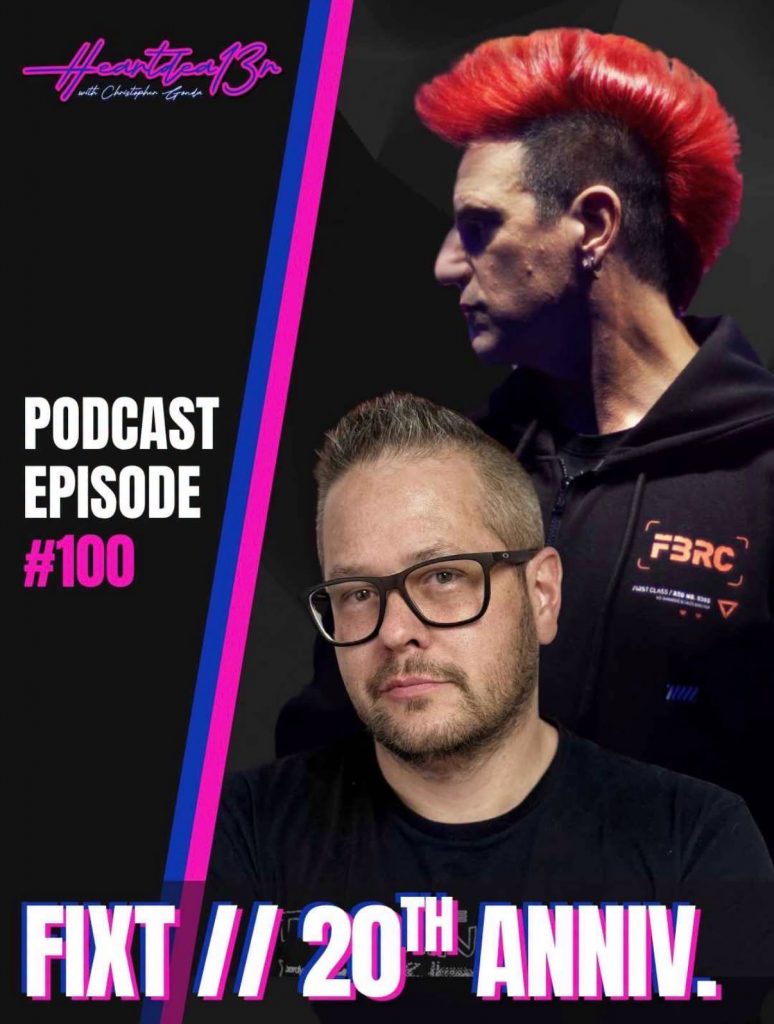
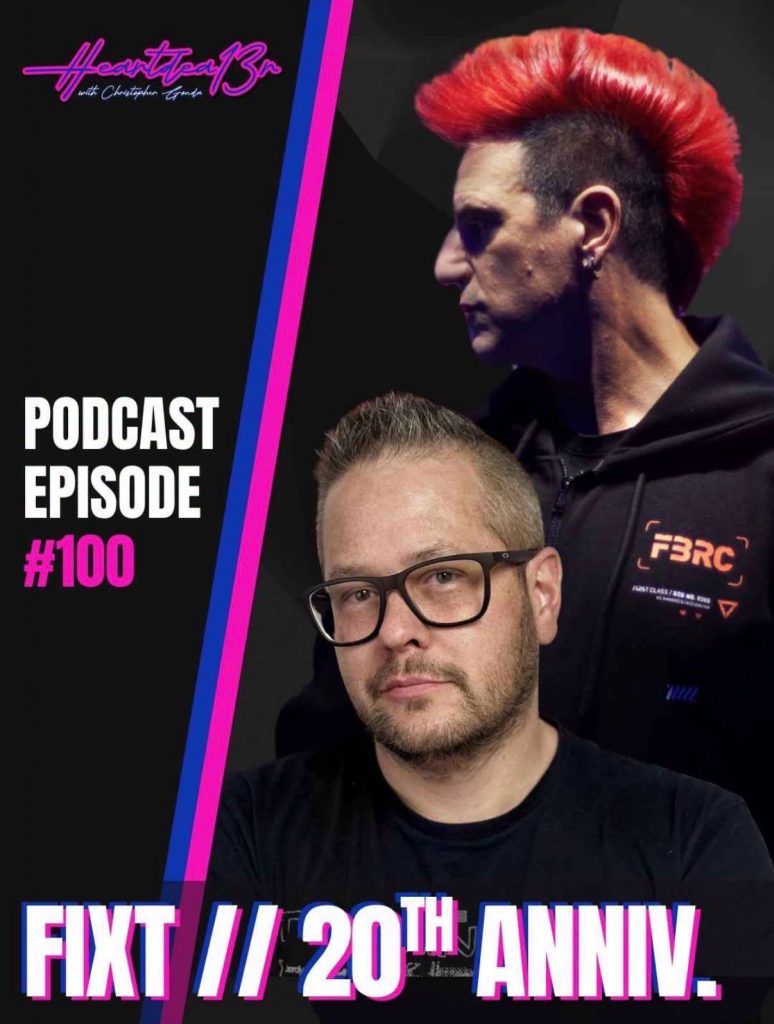
In an industry that continuously presents new challenges and obstacles, James Rhodes has found a way In this milestone 100th episode of Heartdea13r, FIXT co-founders Klayton and James Rhodes unpack two decades of building an independent music company around fairness, artist ownership and genuine relationships. They discuss the failures that shaped FIXT, their commitment to 50/50 artist deals, streaming fatigue, the resurgence of physical music and why direct-to-fan relationships may define the industry’s next chapter. Alongside Christopher Gonda and Lance Marwood, the conversation explores entrepreneurship, adapting through failure and why people, not profits, remain at the heart of sustainable creative businesses. Ultimately, Klayton and James make the case for patience, trusting your instincts and building something that lasts without sacrificing your values.

Check out the rest over at V13.net
Celldweller & James Rhodes: Fair Artist Deals & FiXT Music 20th Anniversary | #100


« Next
Previous »
cropped-02_Icon__V2-1.png

© 2024 FiXT – All Rights Reserved